Formed In Faith
Sharing the Word through Faith Formation, Archdiocese of Louisville

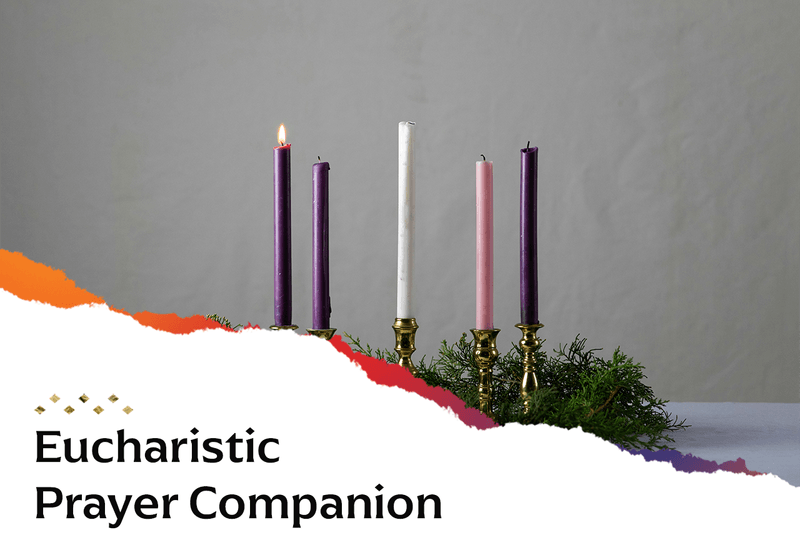
Eucharistic Prayer Companion: First Sunday of Advent
This Eucharistic Prayer Companion from the National Eucharistic Revival is designed to help you spend thirty minutes to an hour in meditation and silent prayer with Jesus during Eucharistic adoration. Even if you cannot be physically present in a church or adoration chapel with the Blessed Sacrament, you can unite yourself spiritually to Jesus in the Eucharist as you spend this time in prayer.
Immersing Catechumens in the Liturgical Year: A Mystagogical Approach
“What resource should I use to teach catechumens?”
Want to move beyond classroom lectures and instead facilitate a lived encounter with Christ for your seekers? Join the next TeamRCIA webinar to discover how centering formation in the celebration of the liturgical year leads seekers deep into the mystery of Christ.
The session will explore practical ways to tap into the power of the Advent, Christmas, Lent, and Easter seasons, and Ordinary Time to immerse catechumens into an intimate journey with Jesus.
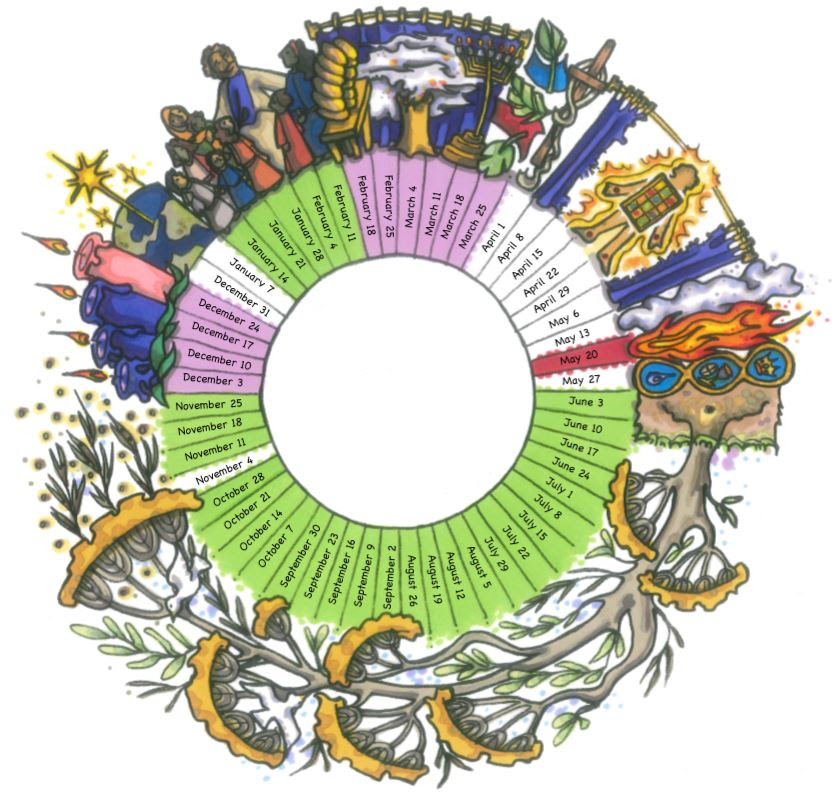
Take your ministry to the next level through the transformative power of the liturgical year.
| “What resource should I use to teach catechumens?” Want to move beyond classroom lectures and instead facilitate a lived encounter with Christ for your seekers? Join the next TeamRCIA webinar to discover how centering formation in the celebration of the liturgical year leads seekers deep into the mystery of Christ. We’ll explore practical ways to tap into the power of the Advent, Christmas, Lent, and Easter seasons, and Ordinary Time to immerse catechumens into an intimate journey with Jesus. Take your ministry to the next level through the transformative power of the liturgical year. Immersing Catechumens in the Liturgical Year: A Mystagogical Approach Free webinar Wednesday, November 15, 2023 11:00a PST / 2:00p EST REGISTER NOW What will be covered in the training? In this one-hour webinar we’re going to delve into four big ideas: Specifically, we will discuss: Why is immersing the seekers in the liturgical year important? What does it mean to accommodate formation to the liturgical year? How do we accompany seekers through the liturgical year in a way that is transformative? What would happen if all of our seekers aligned their faith journey with the celebration of the liturgical year? Don’t miss this opportunity to master mystagogical formation centered on the liturgical year. Register today! REGISTER NOW |

Father Timothy Radcliffe showed at the synod: It takes a Dominican preacher to explain a Jesuit pope
“We are gathered here because we are not united in heart and mind,” he said. “The vast majority of people who have taken part in the synodal process have been surprised by joy. For many, it is the first time that the Church has invited them to speak of their faith and hope. But some of us are afraid of this journey and of what lies ahead. Some hope that the Church will be dramatically changed, that we shall take radical decisions, for example about the role of women in the Church. Others are afraid of exactly these same changes and fear that they will only lead to division, even schism.”
Click here to read the entire article by Thomas Reese from America Magazine.

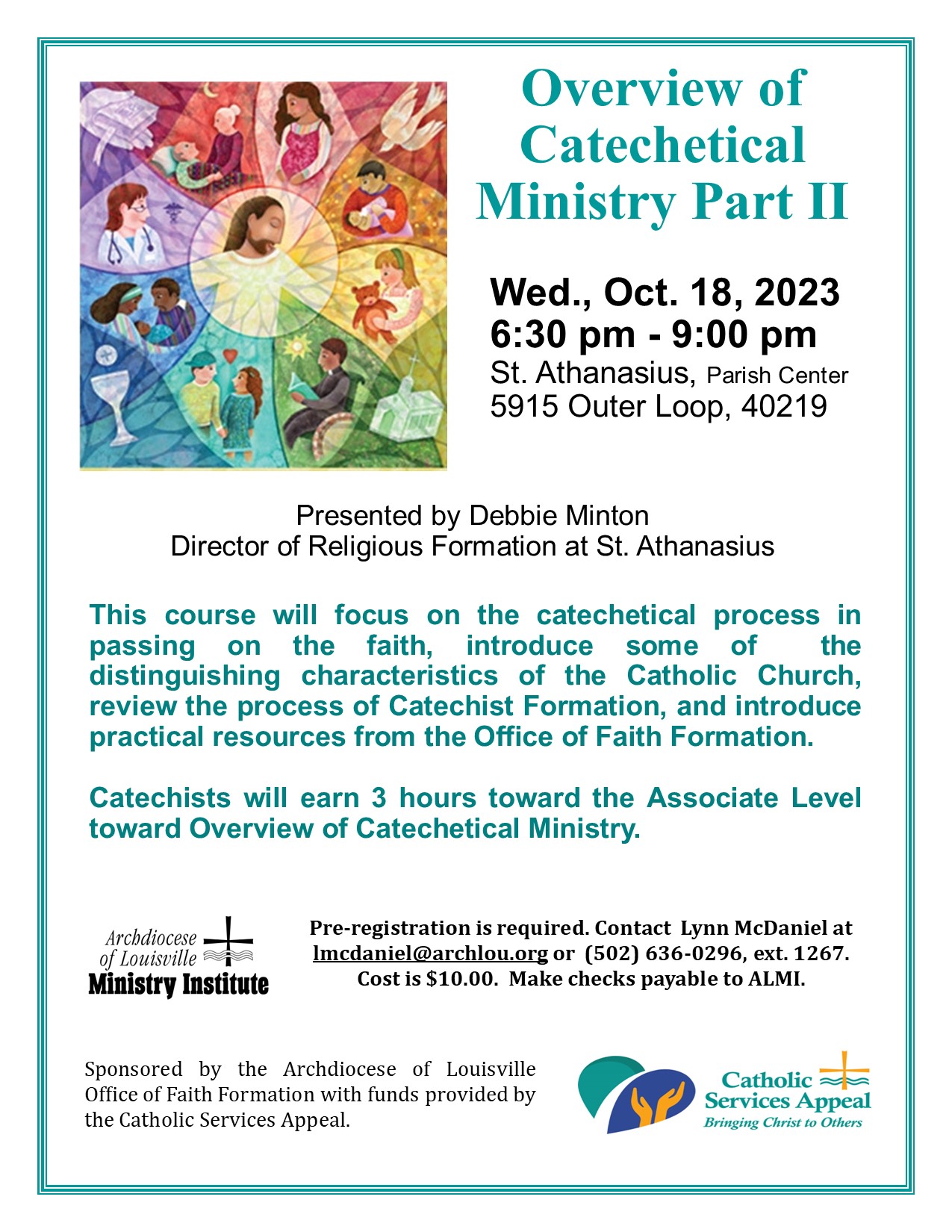


Full text: Pope Francis’ homily opening the Synod on Synodality
The Gospel we have just heard is preceded by the account of a difficult moment in Jesus’ mission, which we might call one of “pastoral desolation.” John the Baptist doubts that Jesus is really the Messiah; so many cities he passed through, despite the wonders he performed, were not converted; people accuse him of being a glutton and a drunkard, whereas they had just complained about the Baptist because he was too austere (cf. Mt 11:2-24). Yet we see that Jesus does not let himself be overcome by sadness, but instead lifts his eyes to heaven and blesses the Father for he has revealed the mysteries of the Kingdom of God to the simple: “I thank you, Father, Lord of heaven and earth, that you have hidden these things from the wise and understanding and revealed them to infants” (Mt 11:25). In the moment of desolation, then, Jesus has a gaze capable of seeing beyond: he praises the wisdom of the Father and is able to discern the good that grows unseen, the seed of the Word welcomed by the simple, the light of the Kingdom of God that shows the way even in the night.
Dear brother Cardinals, brother Bishops, sisters and brothers, we are at the opening of the General Assembly of the Synod. Here we do not need a purely natural vision, made up of human strategies, political calculations or ideological battles. We are not here to carry out a parliamentary meeting or a plan of reformation. No. We are here to walk together with the gaze of Jesus, who blesses the Father and welcomes those who are weary and oppressed. So let us start from the gaze of Jesus, which is a blessing and welcoming gaze.
To continue reading the homily click here.
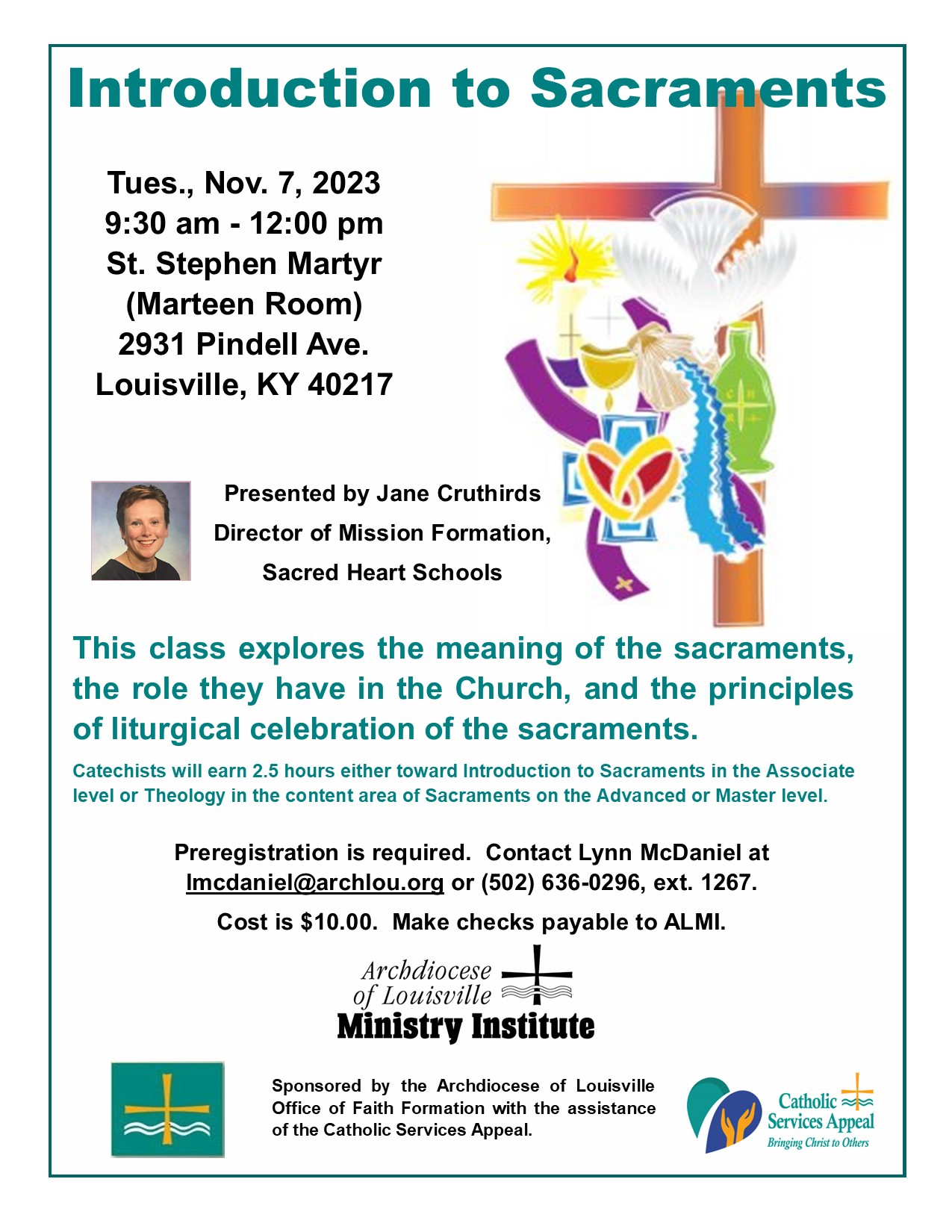
Introduction to Sacraments
This class was just added to our calendar and is not listed in the catalogue. If you are a new teacher or catechist who is working toward your Associate level certificate you will want to consider attending.




 Formed In Faith